In recent months I’ve been delinquent in writing my longevity blog. I started like a sprinter out of the blocks – with such exuberance and energy! Then…life got in the way – of both my writing as well as my personal longevity schedule. How often does that happen? More often than we realize there are small, everyday health setbacks that interrupt our efforts to stay healthy over the long term. In my case, there was an additional heavier-than-usual work schedule and a summer spent with cousins, friends, family, and grandkids. My only sport was a rushed hour each morning at the pickleball court – for me, a sane and focused part of the day.

But as soon as the frenzied summer passed, and I had more time, there were new interruptions to my so-called healthy lifestyle. The flight home was followed by a nasty bout of the flu, then pink eye, then a slew of other ailments that challenged my efforts at daily wellness. I was thwarted by relentless and unforeseen obstacles but thankfully not the “big” kind, like cancer and serious illness or injury.
As physicians, we’re accustomed to evaluating symptoms, making diagnoses, and recommending treatment. But when we’re the ones experiencing illness or injury, knowing the medicine doesn’t necessarily make the experience less frustrating.
As a result, I’ve had to re-examine my relationship with longevity. The opposite of longevity is brevity, but a short lifespan is not what I’m aiming for. I’m talking about the interruptions to the work of healthy longevity — those temporary illnesses, injuries, aches, pains, and annoyances that interfere with our routines, motivation, and sense of well-being. I decided it was time to investigate the science of this phenomenon – one that we don’t read much about in health magazines and self-help books. We hear plenty about preventing cardiovascular disease, maintaining muscle mass, optimizing metabolic health, and reducing chronic inflammation. But who wants to focus on what happens when the longevity train stalls, stops, or derails?
It’s important to understand whether there’s actual science behind the effects of these everyday interruptions to healthy living. And as someone who experiences them just like everyone else, I want to explore what we can do about them. So, I’ve taken these questions to the medical literature, and in the accompanying podcast, we’ll explore what the evidence tells us. Follow me in the next few blogs (there’s just too much to unpack in one blog!) and their associated podcasts, as I take a deeper dive into the medical evidence, trying to answer questions like:
1. What happens to our bodies?
How quickly do we lose fitness when illness or injury forces us to slow down? Does age make recovery more difficult?
2. What happens to our minds?
Why can seemingly minor setbacks affect our motivation, mood, and determination to stay healthy?
3. How do we bounce back?
What does science tell us about resilience, recovery, and returning to healthy habits?
I think about how seemingly trivial things can easily make us feel less well: rashes, conjunctivitis, headaches, back pain, and sleep disruption for example. For each of us (and especially as we age) there is the simple burden of everyday symptoms that can slow us down and de-energize us. For me it’s bunions! I call them my funny feet, but when they give me pain and I can’t walk comfortably or play pickleball, it’s not so funny anymore.

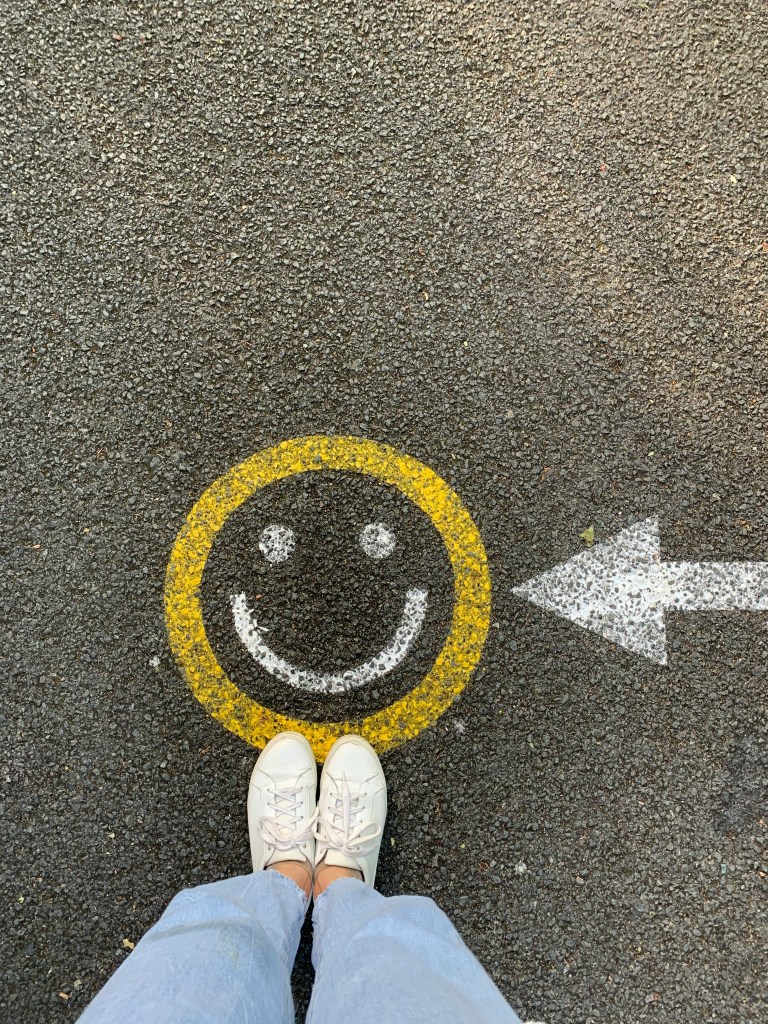
Years ago, I had a dental implant gone bad; I needed to have it extracted, leaving a gaping hole in my jaw. Three hours and a bone transplant later (not to mention a hole in my wallet), I was discharged into the yawning darkness of a big city evening with a swollen face and not a taxi in sight. Trying to prop me up before locking the door behind me, the very nice endodontist valiantly drew a comical face on the back of my take-home instructions – of me, with a big smile. “Think happy thoughts,” he said, while patting my back. At the time, I wanted to sit down and cry. I don’t remember how long it took my jaw to heal, but I remember that small act of kindness as though it happened yesterday. Perhaps navigating life’s physical setbacks requires more than medical treatment. Perhaps it also requires a little compassion — including compassion for ourselves.
As I wrap up this blog, I’m sidelined by plantar fasciitis and am left painfully hobbling about – sans my favorite diversions: pickleball, walking, or HIIT class. I’m scrambling to re-read this blog, re-configure my podcast, and take new and personal notes. How do I stay active? Where can I go swimming or exercise while seated? Equally importantly, how do I get from the parking lot to work?
With my next blog, we’ll explore more about how we deal with setbacks and the psychology of working through limitations – recovery and resilience. The long game of longevity is about the years ahead. But perhaps the short game is about how we manage today — especially those days when life doesn’t go according to plan.
Join in to listen to my podcast (link is below and available on Spotify under the title: “Dr. Debra – Prescription for a successful life beyond midlife”). I’ll endeavor to provide the best science behind the questions above and hopefully inspire all of us to get past physical and psychological obstacles so we can get back to what keeps us strong and happy.
(Photo credits to jacqueline-munguia, braden-collum, sq-lim of Unsplash for the 3 photos in this blog)
Spotify link:
https://open.spotify.com/episode/6k8GQ0jSsC1XXDhkHJAVuV?si=kJlTyX7jRg2XthCutS184g

