What Is Aging, really?
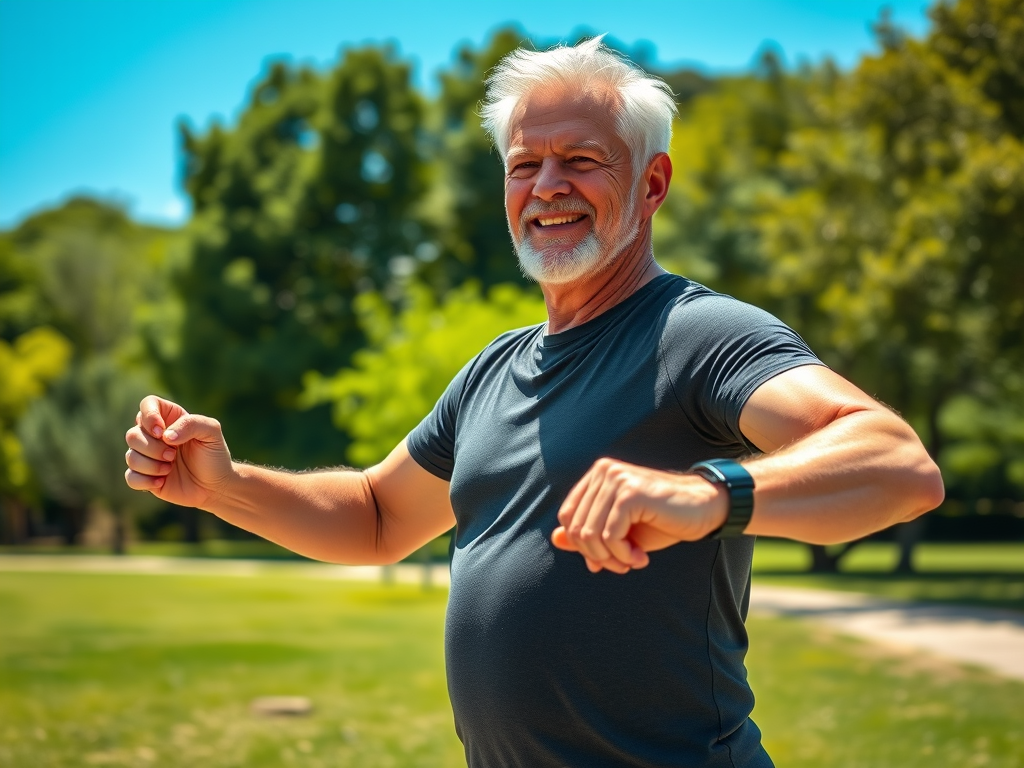
Aging is universal. If we are fortunate, we all do it.
And yet, what aging actually is—on a biochemical, genetic, and physiological level—remains one of the most fascinating frontiers in modern medicine.
In the emergency department, I see the consequences of aging every day: atrial fibrillation, fractures, infections that hit harder than they once did. But aging itself is not a disease. It is a series of deeply interconnected biological processes unfolding over decades.
Inside our bodies, aging is not one thing. It is a network of changes occurring simultaneously—some subtle, some profound.
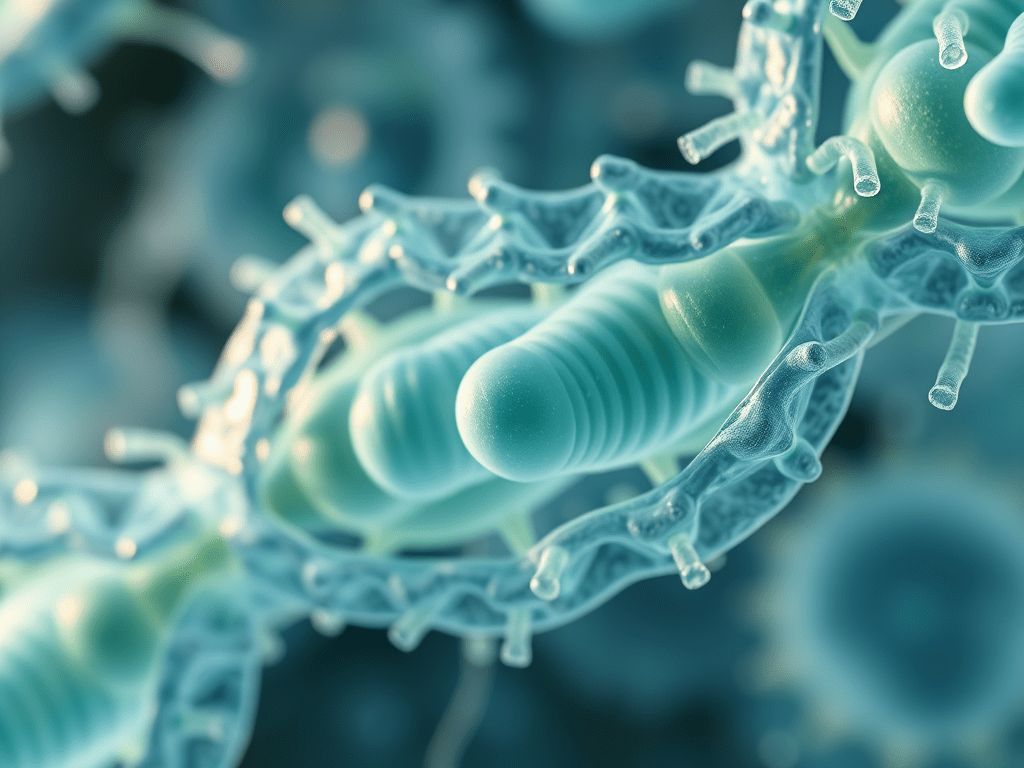
Over the past two decades, researchers have organized these processes into what are called the hallmarks of aging —a framework first proposed by scientists including Carlos López-Otín and colleagues in the journal Cell Press. These hallmarks describe the core cellular machinery that drives biological aging.
They include:
- Accumulation of DNA damage
- Shortening of telomeres (the protective caps on chromosomes)
- Epigenetic changes that alter gene expression
- Loss of protein stability
- Mitochondrial dysfunction (our cellular “power plants” losing efficiency)
- Cellular senescence (cells that stop dividing but don’t die)
- Stem cell exhaustion
- Chronic low-grade inflammation
You don’t need to memorize this list. What matters is this:
Aging happens at the level of the cell long before it shows up in the mirror.
Enter Geroscience
An entire interdisciplinary field—Geroscience—has emerged to study how these biological mechanisms of aging drive the onset of chronic disease. It is science’s holistic approach to understanding and treating aging. Rather than attacking heart disease, diabetes, dementia, and cancer one at a time, geroscience asks a radical question: What if we targeted the underlying biology of aging itself?
If the same cellular processes contribute to multiple diseases, then intervening upstream could delay many conditions at once.
This idea has led to what researchers call the longevity divide —the possibility that by slowing biological aging, we could extend not just lifespan, but healthspan: the years of life lived independently, cognitively intact, and engaged with purpose.
This is not science fiction. It is an active area of biomedical research, exploring therapeutics that influence inflammation, senescent cells, metabolic pathways, and cellular repair.
Aging as a Risk Factor—and an Opportunity
Age is the single greatest risk factor for most chronic diseases.
But here is the hopeful reframe: If aging biology is modifiable, then aging is not merely decline. It is leverage. And this is where the conversation becomes practical. After 45, the background processes of aging become less theoretical. Muscle mass declines more rapidly. Hormonal rhythms shift. Recovery slows. Visceral fat becomes metabolically active. Sleep changes.
Biology stops whispering and begins asking for attention.
Why This Matters
If we understand aging as a shared biological pathway—not a random scattering of diseases—we can act earlier, more intelligently, and more holistically.
We can acknowledge that harmful habits (smoking, drugs, excessive alcohol intake) impact at a cellular level.
We can categorize food intake (our diet – not just what we eat, but how much, when (intermittent fasting) and how) as our INTAKE.
We can categorize exercise, muscle strengthening, and movement as our OUT-TAKE (taking out or burning calories and releasing harmful products of aging). Incredibly so, regular exercise helps disperse and mitigate the accumulation of damaged products associated with aging, effectively acting as a “cellular cleaner” that reverses or delays many hallmarks of aging. It enhances the body’s ability to clear toxic, misfolded proteins and damaged organelles (mitochondria) while reducing chronic, low-grade inflammation (often called “inflammaging”) that occurs as people get older.
Therefore, strength training becomes cellular protection.
Sleep becomes inflammatory regulation.
Purpose becomes cognitive preservation.
Community becomes survival biology.
The science of aging is therefore a partnership between us and our aging body. We cannot stop aging, but we can influence how it unfolds – because the biological processes of aging are flexible and responsive to intervention. In other words, our behaviors are not just lifestyle choices but therapeutic interventions!
What are some of the “bottom lines” or non-pill prescriptions for anti-aging?
EXERCISE:
Exercise is NOT enough if it’s gentle walking or water therapy!
To reverse senescence, resistance power training (using weights) and HIIT (high-impact interval training which includes cardio) are required on a regular basis (3-4 per week)
DIET:
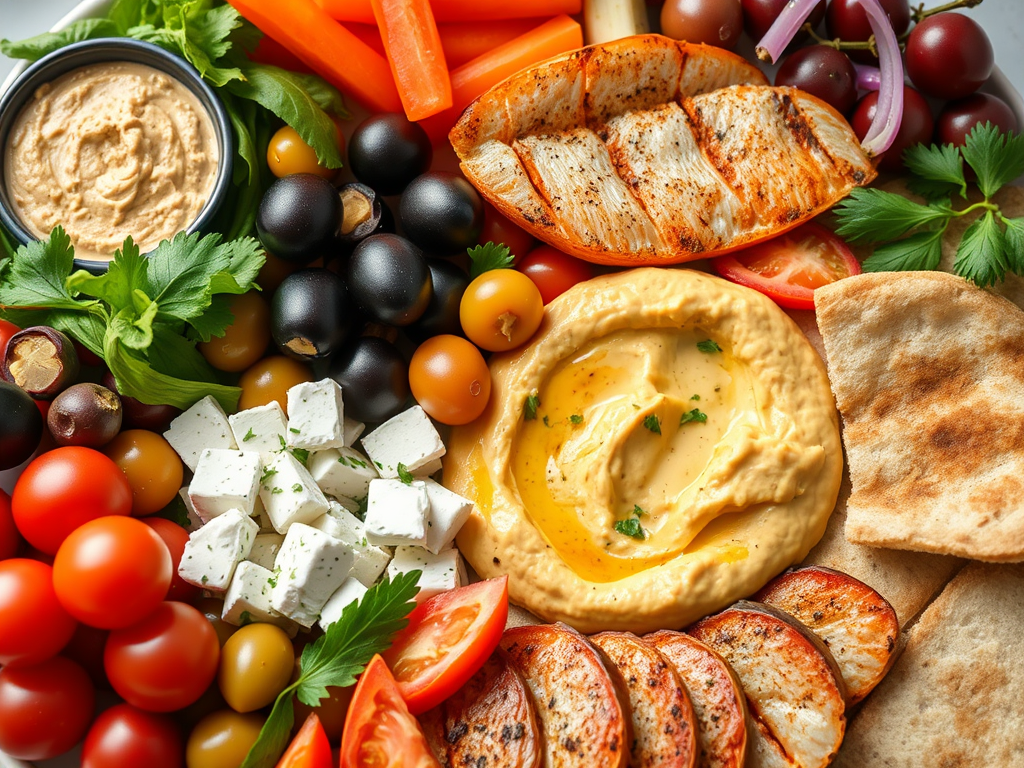
A healthy wholesome diet with adequate protein (1 gm/kg per day) is important – the Mediterranean diet is an easy one to follow including “senolytics” such as apples, cucumbers, and strawberries (remember the saying “an apple a day keeps the doctor away”?).
Include intermittent fasting, which at a simple level means eating a modest, early dinner then “breaking fast” well into the next morning.
Stay tuned to my podcast (link here to Spotify’s Dr. Debra) that covers this blog’s content: “Killing Zombie Cells to Extend Healthspan”.
 The CURE